
Im Sport wie in der Politik entscheiden oft Details über das Gelingen oder Scheitern eines Vorhabens. Wir haben uns in dieser Folge mit der Verbindung aus beidem beschäftigt: Der Sportpolitik. Über die Frage, wie Sportpolitik aussieht, was ihre Ziele sind und wie eigentlich das Verhältnis von Sport und Politik ist, haben wir mit Aydan Özoğuz (SPD), der Vorsitzenden des Ausschusses für Sport und Ehrenamt und Prof. Dr. Jürgen Mittag von der Deutschen Sporthochschule Köln gesprochen.
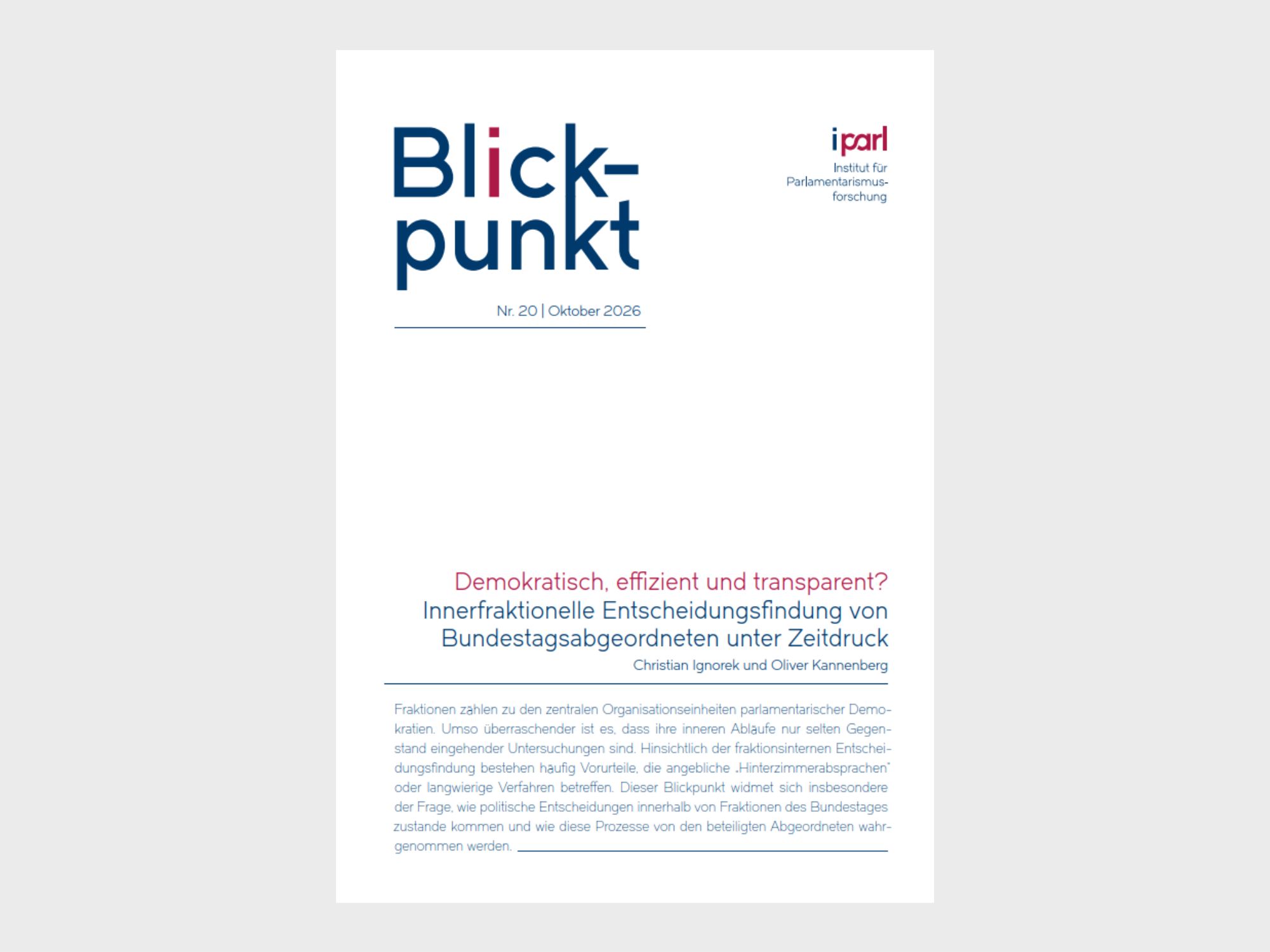
When it comes to decision-making within parliamentary groups, there are often preconceptions about so-called „backroom deals“
or involve protracted procedures. The Blickpunkt by Christian Ignorek and Oliver Kannenberg focuses in particular on the question of how political decisions are reached within parliamentary groups in the Bundestages and how these processes are perceived by the MPs involved.
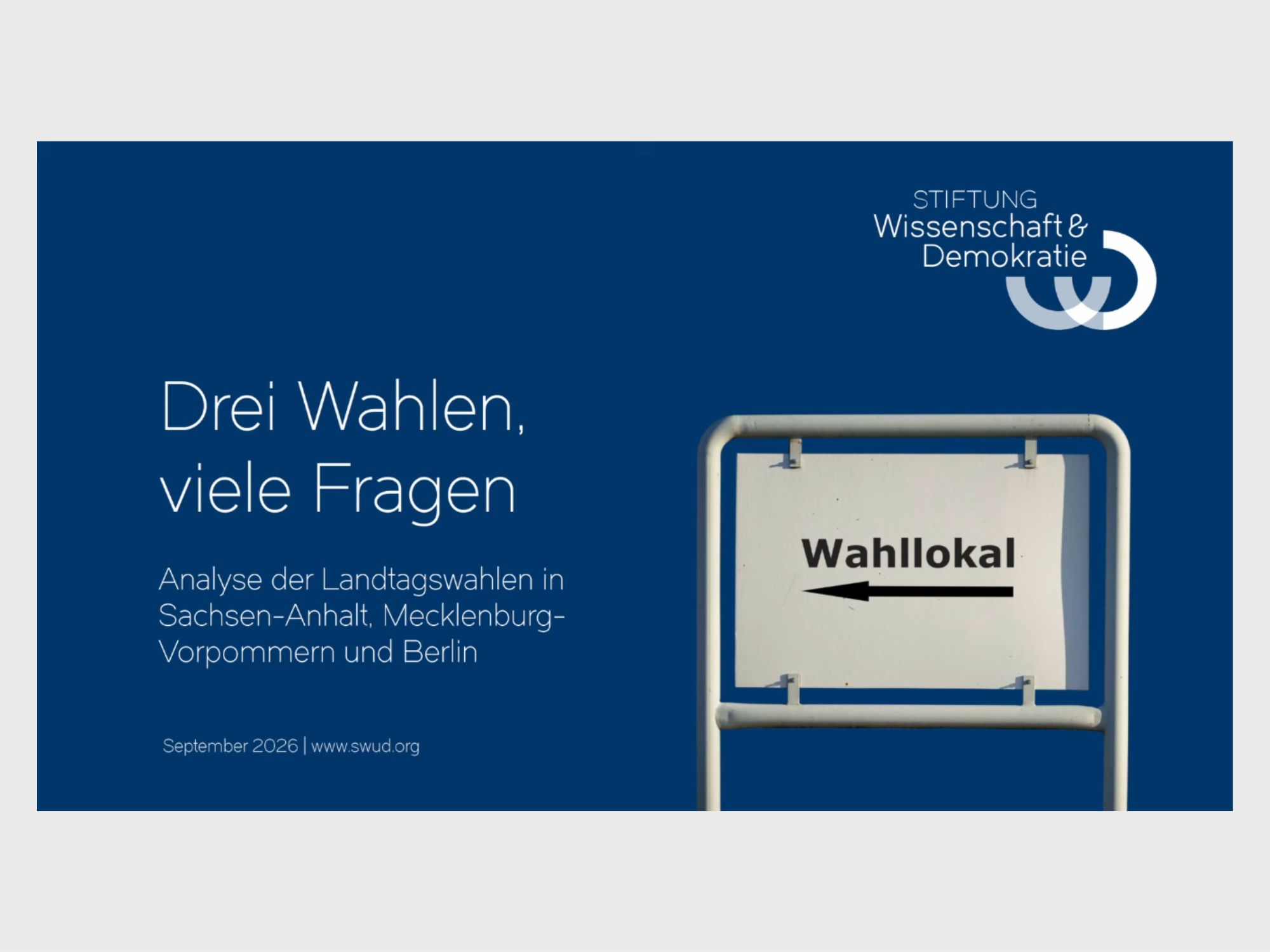
Following the state elections in Saxony-Anhalt, Berlin and Mecklenburg-Western Pomerania, Prof. Dr Jochen Müller (University of Greifswald) and Oliver Kannenberg spoke, at the invitation of the SWuD, about voting behaviour, coalition options and the implications of the three elections for federal politics. A recording of the event is available on YouTube.
Danny Schindler spoke to the *Münchner Merkur* about the crisis facing the Christian Democrats, the role of internal party retreats and the significance of the „firewall“. In an other articles The question of when a coalition dispute turns into a full-blown crisis has already been discussed.
The second round of the mayoral election took place in Strausberg on 20 September. This had been preceded by irregularities in the postal vote. The district administrator initially prohibited the run-off elections. The Administrative Court nevertheless ordered that the run-off take place. However, following the run-off, the town councillors declared the entire mayoral election invalid. Daniel Hellmann sets out the background to these events in a report for rbb.
Following the Left Party’s election victory in Berlin, the debate over a red-green-red coalition is in full swing. The SPD and the Greens are setting out their conditions, but there is also support for an alliance with the Left Party. In this interview, Oliver Kannenberg explains how the talks will unfold over the coming weeks and what could cause them to fail.

What significance do the state elections in September 2026 hold for Chancellor Merz and the CDU? Danny Schindler discussed the situation within the party with the Spanish newspaper *La Voz de Galicia*.

Following the election in Saxony-Anhalt, the balance of power in the state parliament is complicated. Consequently, there is already speculation about a snap election. Daniel Hellmann explains for MDR AKTUELL how a snap election might actually be brought about.
How did legislation and the use of the right to ask questions develop during the 20th Bundestag (2021 to 2025)? Were there fewer and shorter legislative procedures? Did the extensive use of the right to ask questions, particularly in the form of minor questions, continue? What questioning strategies did the opposition parties pursue? Franziska Carstensen addresses these questions in an article for the volume on the Bundestag election of 2025, edited by Schiffers, von Schuckmann and Korte.

Many citizens are not allowed to vote in the election for the Berlin House of Representatives because they do not hold German citizenship. They can now cast a symbolic vote in the so-called „symbolic election“. Daniel Hellmann gives his views on the prospects for electoral reform on rbb-Inforadio.
Ahead of the upcoming state elections in Saxony-Anhalt, postal voting is once again the subject of false claims and uncertainty. The postal system and the security arrangements for received ballot papers, for example, are cited as potential points of vulnerability for electoral manipulation. Some are also concerned about the secrecy of the vote. Daniel Hellmann, amongst others, offers his analysis.
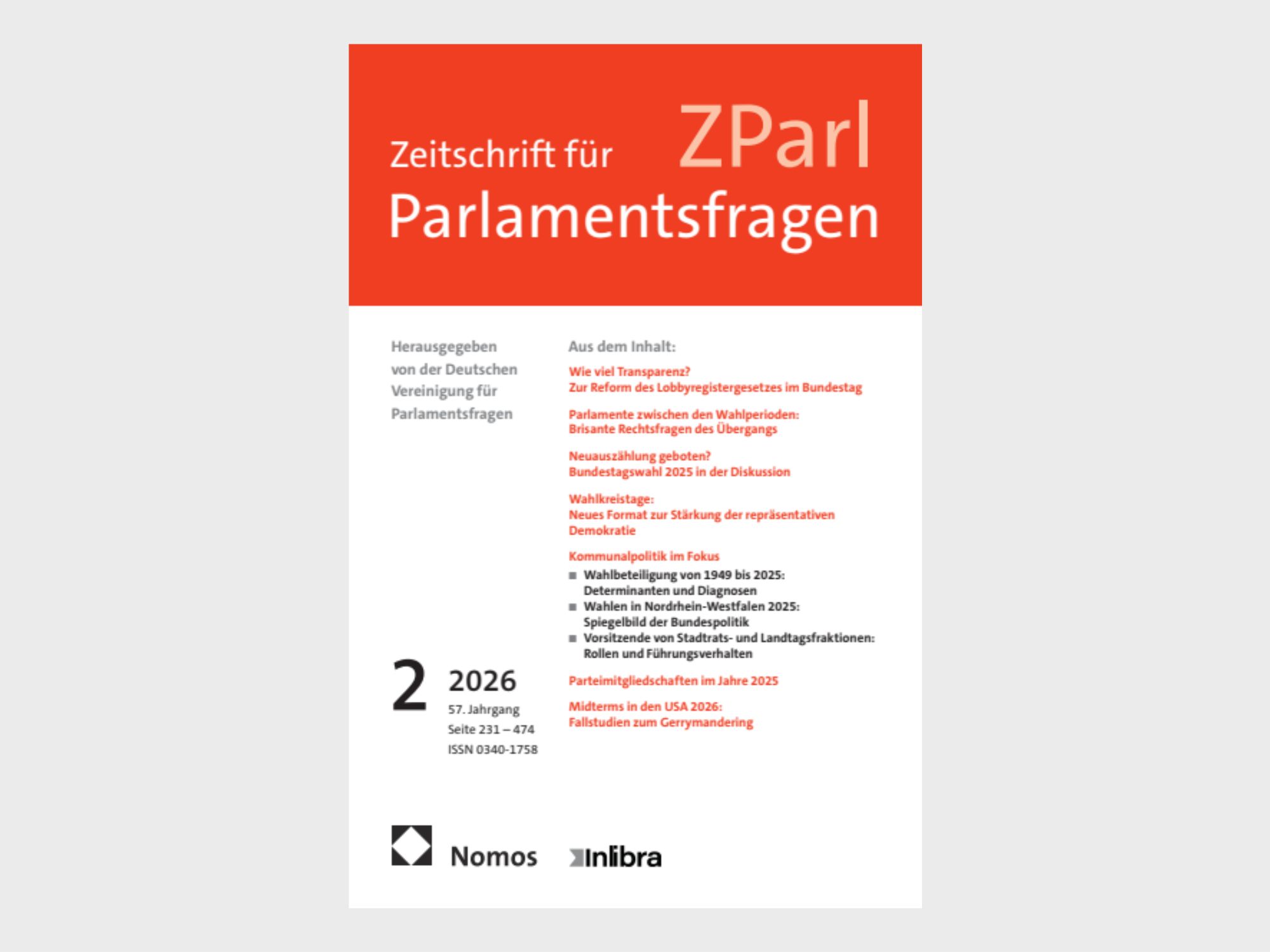
In the latest issue of Zeitschrift für Parlamentsfragen (ZParl), Christian Ignorek examines the political leadership of Social Democratic group leaders in state parliaments and city councils. Drawing on qualitative interviews, the study highlights the roles, influencing factors and instruments of control that shape political leadership at state and local level.
Does the legislative process under the Bundestag leave MPs enough time to deal with a large number of amendments tabled at short notice in a well-informed manner? The Federal Constitutional Court recently ruled on this issue in the specific case of the 2023 Building Energy Act. Danny Schindler shared his views on the ZDF’s ‘Morgenmagazin’ programme.
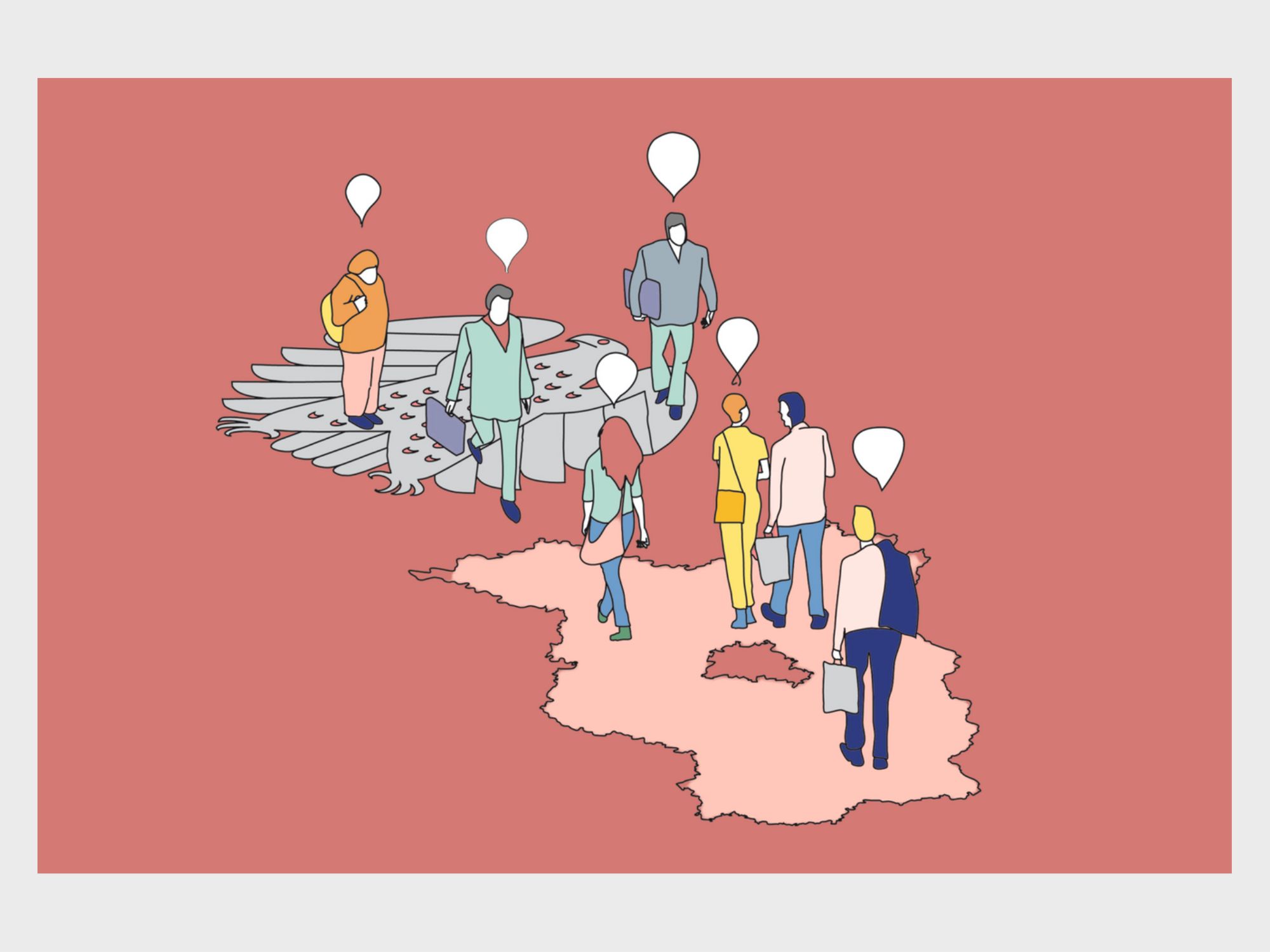
The Bundesrat is rarely in the spotlight, even though it plays a central role in the legislative process. The public perception is dominated by the notion that party interests and obstructionist tactics prevail there, and that votes are decided well in advance anyway. This article examines these and other claims and demonstrates that the Bundesrat is a relevant institution in the Federal Republic of Germany.

Rumours of alleged electoral fraud keep circulating on social media. Such claims can undermine confidence in democracy. In this article, Daniel Hellmann debunks the most common myths about electoral fraud and explains how elections are protected against manipulation.
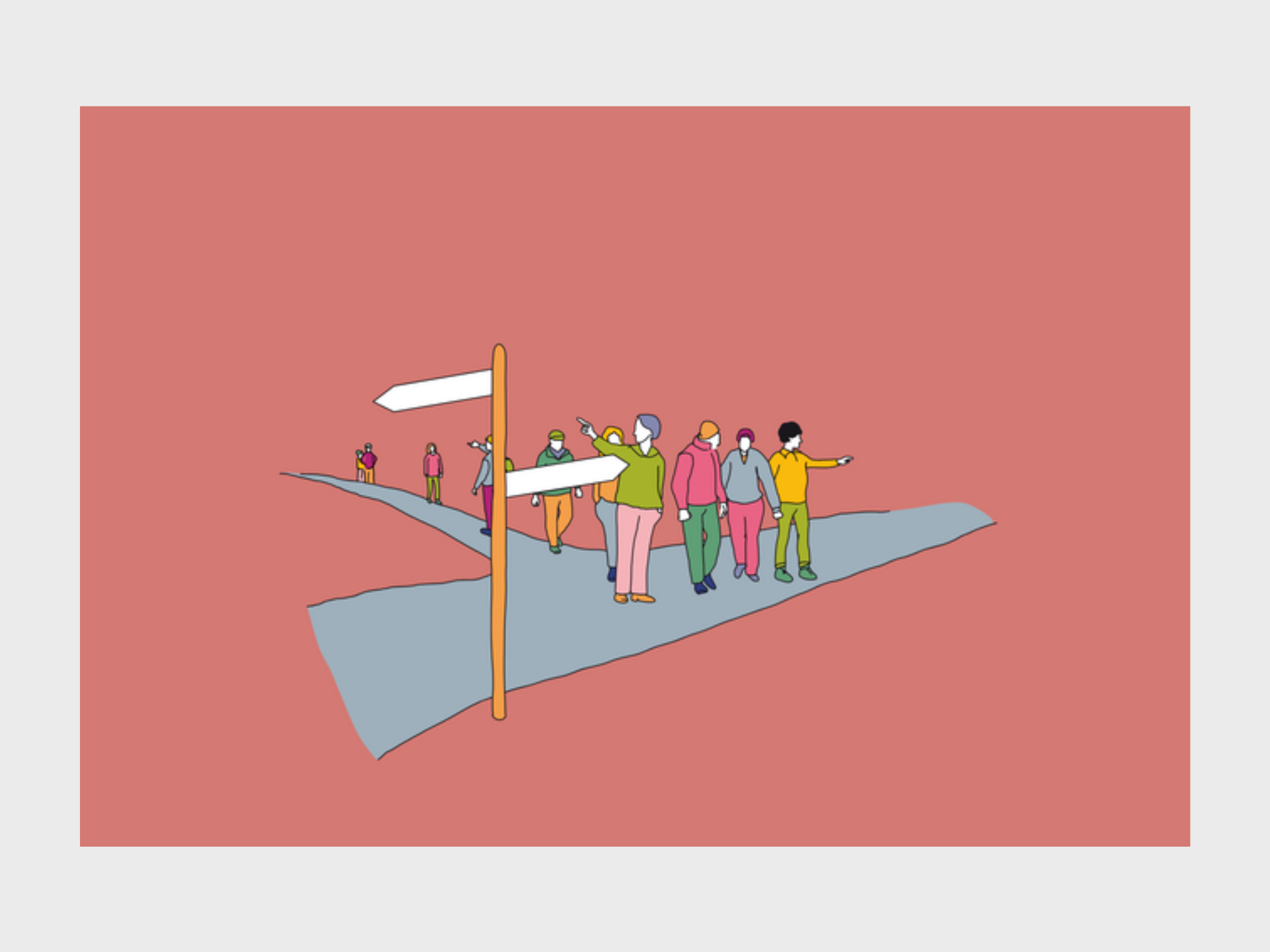
Since their inception, political parties have been met with considerable scepticism from society. To this day, certain opinions and prejudices persist. This article examines five common myths about political parties and argues for a more realistic and nuanced assessment of their role and how they operate.
 German German German
  English German German German English
Sign up to receive updates, promotions, and sneak peaks of upcoming products. Plus 20% off your next order.